

General · Doppler · MSK
Ultrasound
At a glance
- Referral
- NeededBring it, upload a photo when you book, or ask your doctor to send it electronically
- Billing
- Varies by scanSome ultrasounds are not bulk billed, so we'll let you know when you book
- Preparation
- Depends on your scanSome scans need a full bladder or fasting
Overview
Clear pictures,
made with sound.
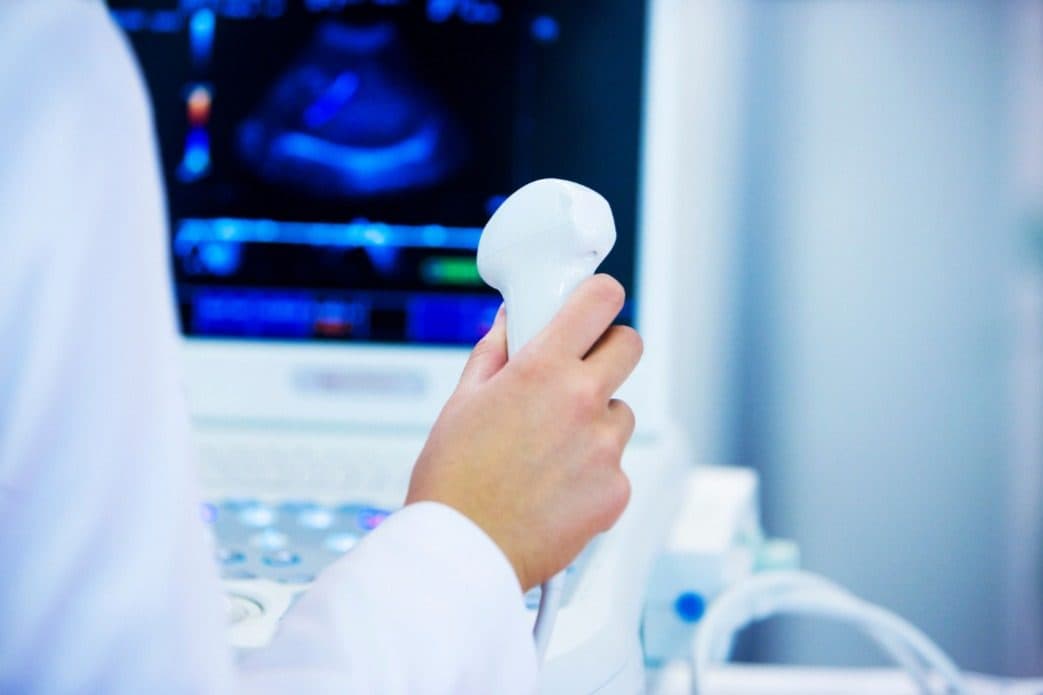
Ultrasound imaging uses sound waves to produce pictures of the inside of the body. It's safe and non-invasive, and it doesn't use ionising radiation.
Your doctor may request an ultrasound to
- (01)Find the cause of pain, swelling or infection in your internal organs
- (02)Check on your baby during pregnancy
- (03)Guide a corticosteroid injection
- (04)Help diagnose heart conditions
- (05)Look into other concerns you've raised with your GP
Types of ultrasound
One technology, many uses.
- (01)
General ultrasound
Pictures of your internal organs, including abdominal, pelvic and renal tract (kidney and bladder) scans, to help find the cause of pain, swelling or infection.
- (02)
Doppler ultrasound
Measures the blood flow through your arteries and veins, usually those that supply your arms and legs. These vascular (blood flow) studies can detect abnormal flow within an artery or blood vessel.
- (03)
MSK ultrasound
Musculoskeletal ultrasound shows muscles, tendons, ligaments and joints throughout the body, helping to diagnose sprains, strains, tears and other soft tissue conditions.
- (04)
Pregnancy ultrasound
Scans to check on your baby through each trimester, plus elective 3D and 4D baby scans at Koo Wee Rup.
Learn more 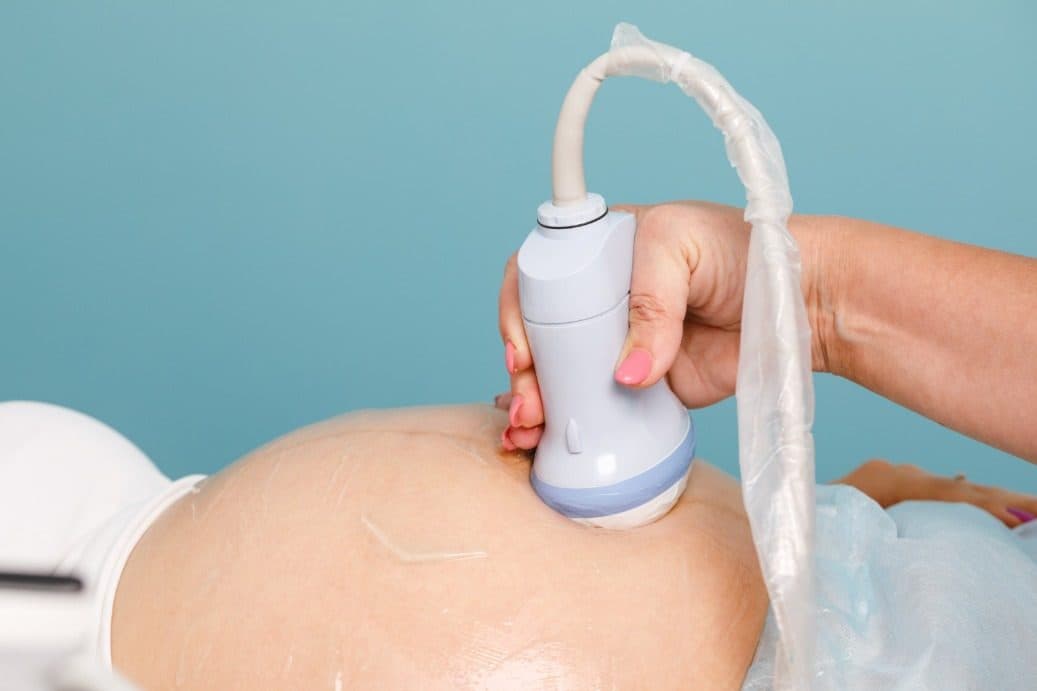 No ionising radiationAt all six clinics
Preparation
Find your scan, follow the steps.
Some ultrasounds need a little preparation: a full bladder for some, fasting for others. Check your referral for the type of scan. If yours isn't listed, we'll give you any instructions when you book.
Choose your scan
Full bladder
Pelvic & renal tract
Your bladder needs to be full for a pelvic or renal tract (kidney and bladder) scan.
Adults
- (01)
1 hr before
Finish drinking 1 litre of water at least 1 hour before your appointment time.
- (02)
Until your scan
Please hold on and don't empty your bladder before your scan.
Children 6–12
- (01)
1 hr before
Finish drinking 2 large glasses of water 1 hour before the appointment time.
- (02)
Until the scan
Hold on. No trips to the toilet before the scan.
Full bladder
First-trimester pregnancy
Your bladder needs to be full for an early pregnancy scan.
- 01
1½ hrs before
Empty your bladder.
- 02
Next 30 min
Drink 1 litre of water over the next half hour.
- 03
1 hr before
Be finished drinking 1 hour before your appointment time.
- 04
Until your scan
Don't go to the toilet. Hold on until after your scan.
Fasting
Abdominal
Complete fasting: nothing to eat or drink beforehand.
- (01)
6–8 hrs before
No food or drink for 6 to 8 hours before your examination.
- (02)
Medication
A small amount of water can be taken with medication.
As advised
Other scans (incl. Doppler & MSK)
Preparation depends on your scan. We'll tell you exactly what to do when you book.
- (01)
We'll give you any preparation instructions when you book your appointment.
For every scan
Leave jewellery at home and wear loose, comfortable clothing.
On the day
What happens on the day.
Step 1: Before you come
Follow the preparation for your scan, leave jewellery at home and wear loose, comfortable clothing. Bring your referral and your Medicare card.
Step 2: Your scan
Your sonographer moves a small hand-held probe over your skin with a little gel to capture the images. Ultrasound is non-invasive and uses no ionising radiation.
Step 3: Your results
Your doctor can view your images online within minutes, and once our radiologist has reported, the results go straight to them. Book a follow-up with your doctor to talk through what they mean.
Good to know
Your questions,
answered.
(01)Is ultrasound safe?
Yes. Ultrasound is safe and non-invasive, and it doesn't use ionising radiation.
(02)How do I know which preparation applies to me?
Check your referral for the type of scan. Pelvic and renal tract scans and first-trimester pregnancy scans need a full bladder, and abdominal scans need fasting. For any other ultrasound, we'll give you instructions when you book. If you're unsure, call your clinic.
(03)Can I drink water while I'm fasting for an abdominal scan?
Only a small amount with any medication. Otherwise, have no food or drink for 6 to 8 hours before your examination.
(04)Is my ultrasound bulk billed?
Some ultrasounds are not bulk billed. Our team will let you know about any cost when you book.
(05)Can my physio or podiatrist refer me?
Yes, for certain scans. Physiotherapists can refer for a range of musculoskeletal ultrasounds, and podiatrists for some foot and ankle ultrasounds. These attract a reduced or limited Medicare rebate, so there may be an out-of-pocket cost. Please call your nearest clinic to check.
(06)Which clinics offer ultrasound?
All six: Pakenham, Officer, Cranbourne, Traralgon, Rosebud and Koo Wee Rup.
You might
also need.
Not sure which scan you need? Your referral will say, or you can browse all our services.
- (01)
Obstetric ultrasound
Pregnancy scans across the first, second and third trimesters. 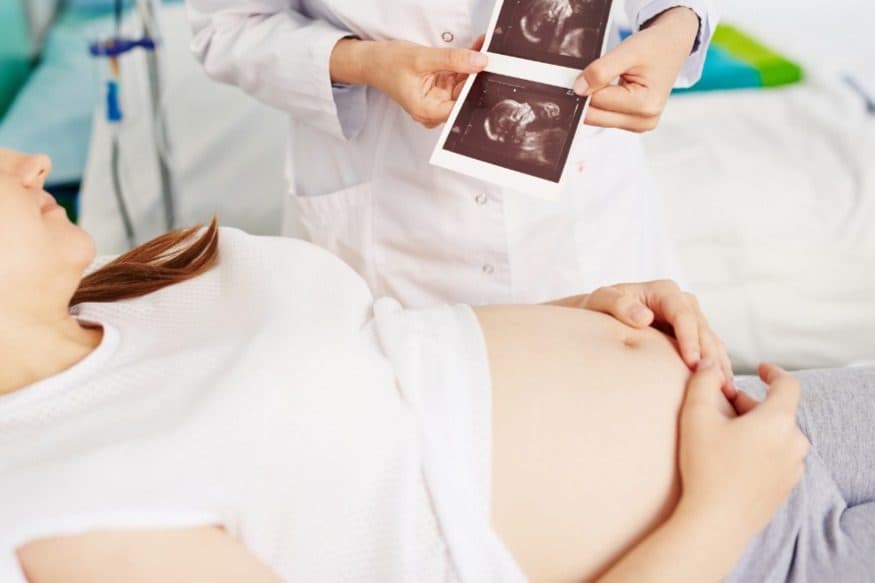 (02)
(02)3D & 4D baby scans
See your baby move in real time. No referral needed, and you can bring up to three guests. (03)
(03)Interventional procedures
Ultrasound-guided corticosteroid injections at Pakenham, performed by our radiologists.
Next step
Book your ultrasound.
Request a time online and upload a photo of your referral. Our team will call you back to confirm. Prefer to talk? Call your nearest clinic.